


“The Front Door Is Digital,” Communicators Told
As digital platforms increasingly shape how people find connection, meaning, and community, communication leaders across Southern Luzon Philippine Union Mission (SLPUM) were challenged to view communication not merely as a support ministry, but as a vital component of the Church’s mission.
The Communication Advisory organized through the initiative of the Southern Asia-Pacific Division (SSD) gathered communication directors and media personnel from mission fields and institutions, in the whole SLPUM territory including Adventist University of the Philippines (AUP), Philippine Publishing House (PPH), 1000 Missionary Movement (1000 MM), Adventist Hospital Palawan (AHP), and Naga View Adventist College (NVAC). Participants explored topics related to digital mission, media collaboration, communication strategy, crisis management, and responsible digital engagement.
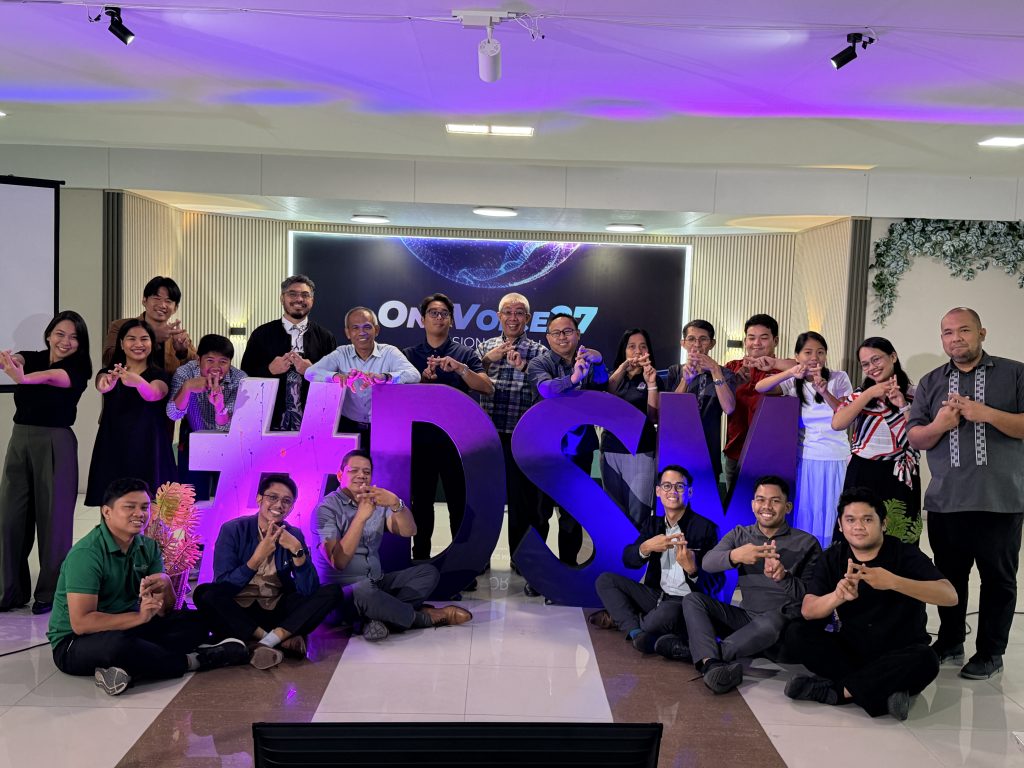
A recurring message throughout the advisory was that communication should no longer be viewed simply as publicity, content production, or event coverage. Instead, speakers challenged participants to see communication as an active component of mission.
Pastor Carlito P. Quidet Jr., communication director of the Southern Asia-Pacific Division (SSD), traced the development of communication from the apostolic church to the Adventist movement, showing how God’s people continually adapted their methods to meet the needs of their time. From oral preaching and handwritten letters to publishing, broadcasting, and digital media, communication has remained one of the primary ways the Church proclaims Christ, preserves truth, strengthens believers, and advances mission.
Quidet challenged communicators to approach their work with intentionality and mission focus, reminding participants that communication is most effective when it helps people catch glimpses of God. Strategic planning, collaboration, and stewardship, he said, are essential if communication efforts are to contribute meaningfully to the Church’s mission.
Building on that foundation, Anthony Stanyer, Assistant Communication Director for Adventist Media Center, focused on the growing opportunities for mission in the digital space. He described social media as the Church’s “front door” in a world where people increasingly search, scroll, watch, and interact online before ever entering a church building.
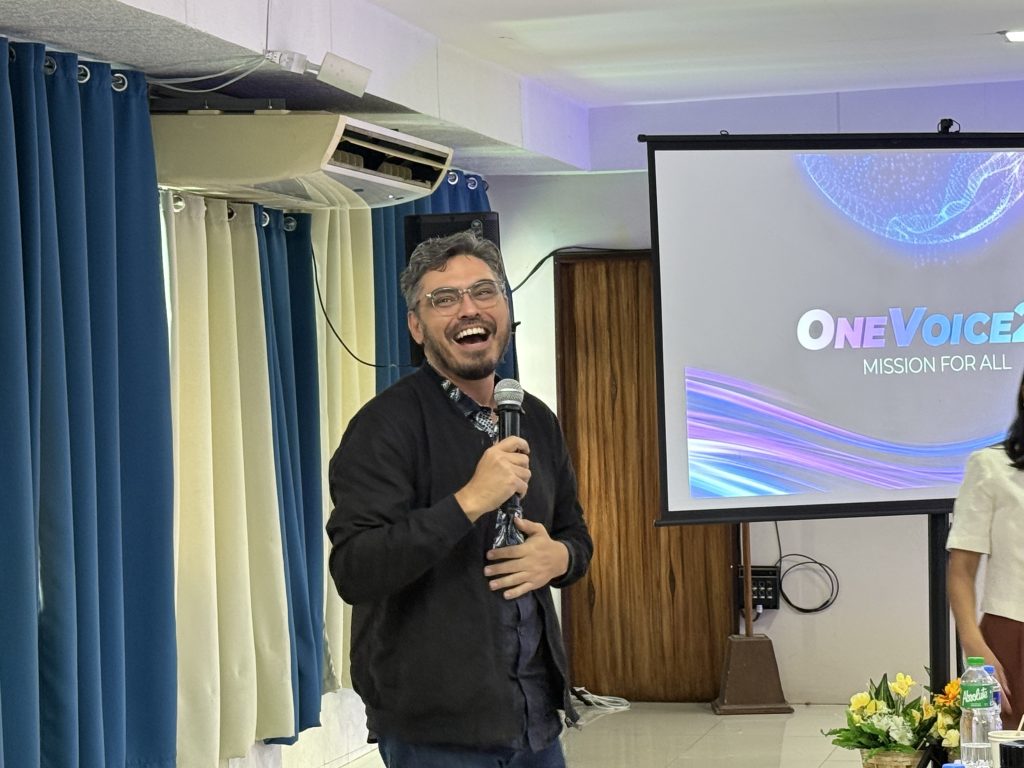
Stanyer challenged participants to move beyond using digital platforms merely to distribute information and instead use them to cultivate relationships. Drawing from Christ’s method of ministry, he emphasized meeting people where they are, understanding their needs, building trust, and creating meaningful engagement that can ultimately lead to discipleship.
A major focus of his presentations was the Digital Strategy for Mission, which seeks to transform digital engagement into real-life spiritual connections. To illustrate this, Stanyer introduced a framework that begins with “Building the Porch”—creating welcoming online spaces where people feel comfortable engaging with the Church. This is followed by a “Rapid Response Team” that intentionally engages those seeking prayer, information, or connection. The process culminates in “Preparing the Living Room,” where local churches are equipped to receive, nurture, and disciple individuals who first connected through digital platforms.
The strategy represents a shift from measuring success primarily through views, likes, and followers toward evaluating how digital engagement leads to relationships, spiritual conversations, and participation in faith communities. He emphasized that “One Voice is You.”
Stanyer also highlighted OneVoice27, a global initiative that integrates strategic media efforts through user-generated content. Emphasizing the power of authentic voices, he encouraged members, communicators, institutions, and media ministries to work together in sharing stories and messages that reach people where they are. He also outlined the campaign’s key touchpoints and the distinct roles played by various participants in creating a unified voice for mission.
Edward Rodriguez, SSD Assistant Communication Director for news and journalism, focused on the role of storytelling in mission. He challenged communicators to move beyond simply documenting programs and events and instead highlight the people whose lives are being transformed through the gospel.
Rodriguez emphasized that stories should be factual, respectful, and reflective of God’s character. He encouraged communicators to uphold the principles of clarity, consistency, and credibility while contributing to a shared mission narrative across the Southern Asia-Pacific region.
He also discussed media brand positioning within the broader Adventist communication ecosystem. Organizational Facebook pages, websites, and news platforms often serve members and individuals already familiar with the Church, while evangelistic media ministries such as Hope Channel and Adventist World Radio are positioned to engage audiences who may have little or no connection with Adventism.
Different platforms, he explained, serve different audiences. Some serve church members. Others speak to individuals exploring faith. Others are designed to engage the broader public. Effective communication, therefore requires understanding who is being reached before determining what content should be created and where it should be shared.
This concept of media brand positioning prompted participants to think beyond simply maintaining active social media pages and instead ask a more fundamental question: Who are we trying to reach?
Rodriguez further emphasized the importance of collaboration across the Church’s communication network. Through shared standards, coordinated storytelling, and stronger partnerships among local fields, institutions, and regional media organizations, local mission stories can contribute to a unified mission narrative while remaining relevant to their intended audiences.
Additional sessions led by Pastor Jose Orbe, Jr. explored communication from the perspective of church history, data privacy, crisis communication, and digital responsibility. Participants were reminded that communication ministry carries significant responsibilities, including safeguarding personal information, responding appropriately during crises, and communicating biblical truth with integrity and care.
Whether discussing digital mission, storytelling, audience engagement, crisis communication, or church security, a common theme emerged throughout the advisory: communication is most effective when it remains anchored in mission.
As communicators navigate a rapidly changing media environment, speakers repeatedly emphasized that technology, platforms, and tools are valuable only insofar as they help fulfill the Church’s calling to share Christ with the world. Through strategic communication, authentic storytelling, and meaningful engagement, participants were challenged to use every available avenue to help people know God, know the Bible, and know the Church.

Melo Anadem Ong
Related posts
SLPUM Administrative Assistants Build Stronger Bonds at Two-Day Retreat
SLPUM Administrative Assistants Build Stronger Bonds at Two-Day Retreat Administrative assistants...

Mission Reach 2026 Mobilizes Members Across Southern Luzon, Yields 915 Baptisms
Mission Reach 2026 Mobilizes Members Across Southern Luzon, Yields 915 Baptisms Churches, care...
Treasurer’s Report Indicates Strong Financial Turnaround
Treasurer’s Report Indicates Strong Financial Turnaround During the Midyear Meetings, Josue F....