Mission Reach 2026 Mobilizes Members Across Southern Luzon, Yields 915 Baptisms Churches, care...
Mission Reach 2026 Mobilizes Members Across Southern Luzon, Yields 915 Baptisms
read more


An official website of the Southern Luzon Philippine Union Mission of the Seventh-day Adventist Church.
Seventh-day Adventists are devoted to helping people understand the Bible to find freedom, healing, and hope in Jesus.
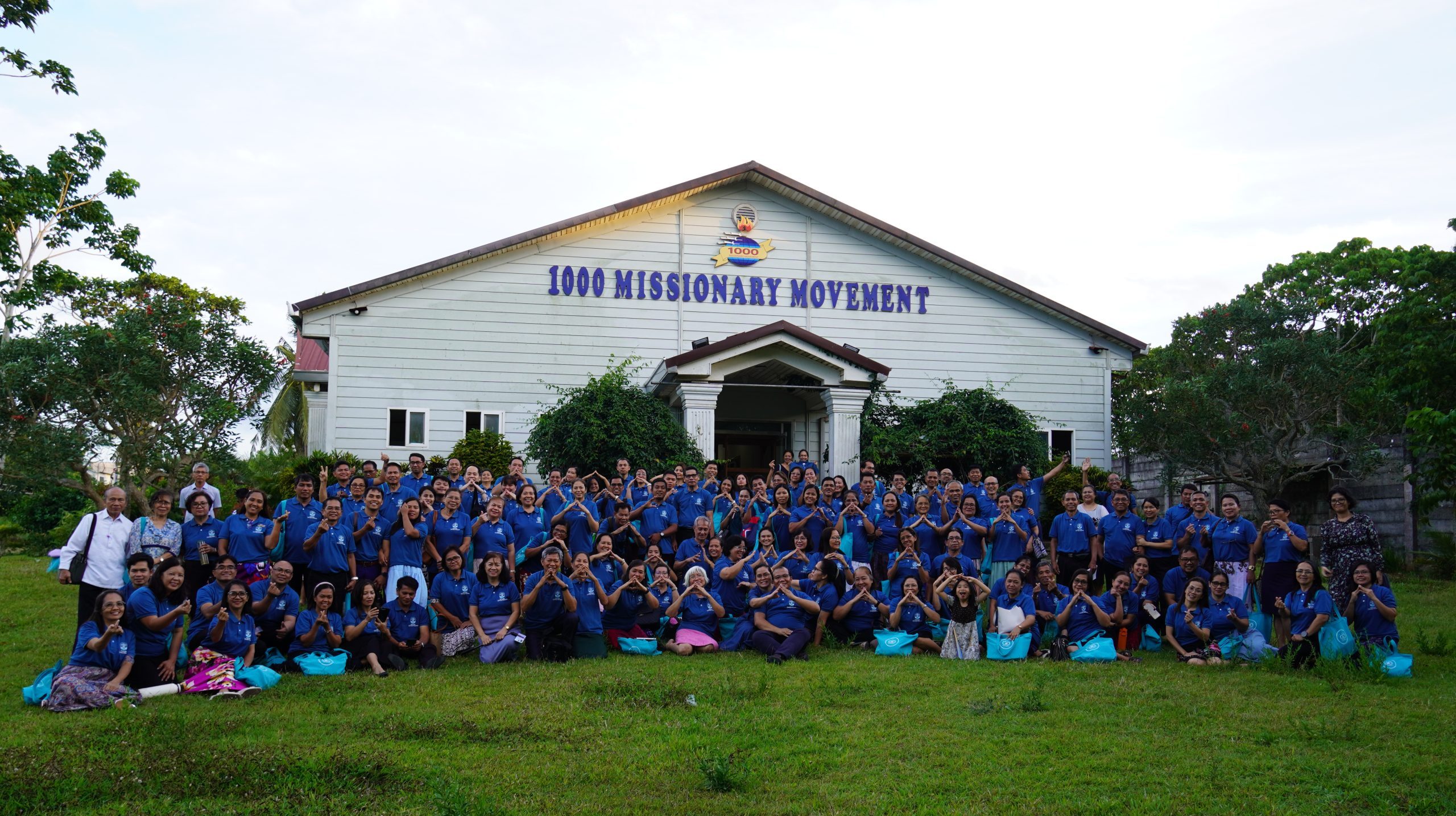
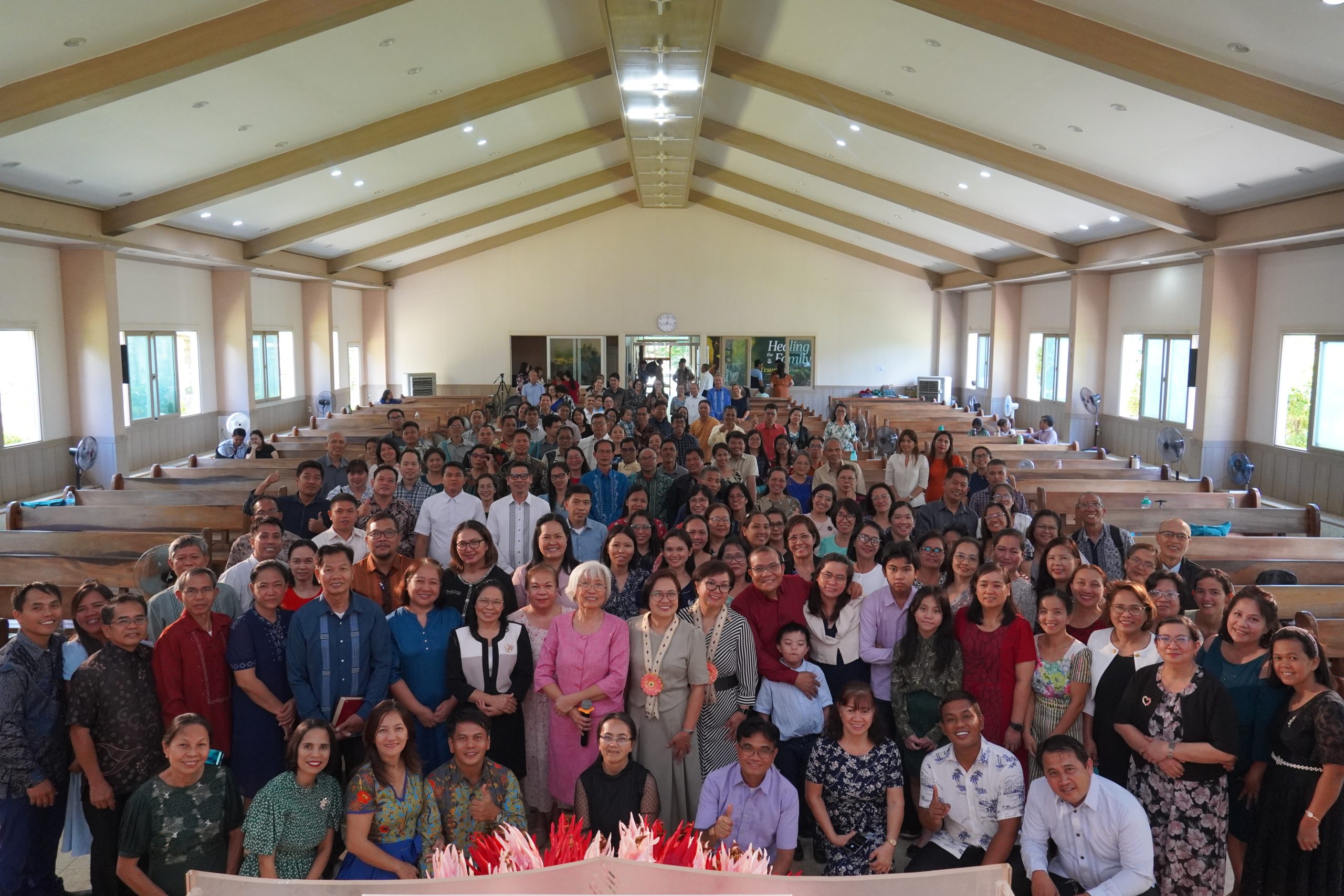
In a timely and much-needed initiative, the Northern Luzon Philippine Union Mission (NLPUM) and Southern Luzon Philippine Union Mission (SLPUM) of the Seventh-day Adventist Church convened a Bi-Union Adventist Family Conference focused on the theme “Healing the Family: Trauma, Sexuality, and Redemption.” The conference gathered more than 120 pastors, church ministries leaders, family counselors and advocates for a thoughtful exploration of how the Church can respond—both biblically and compassionately—to the growing emotional, relational, and identity-related challenges facing families today.
Family, Trauma and Sexuality
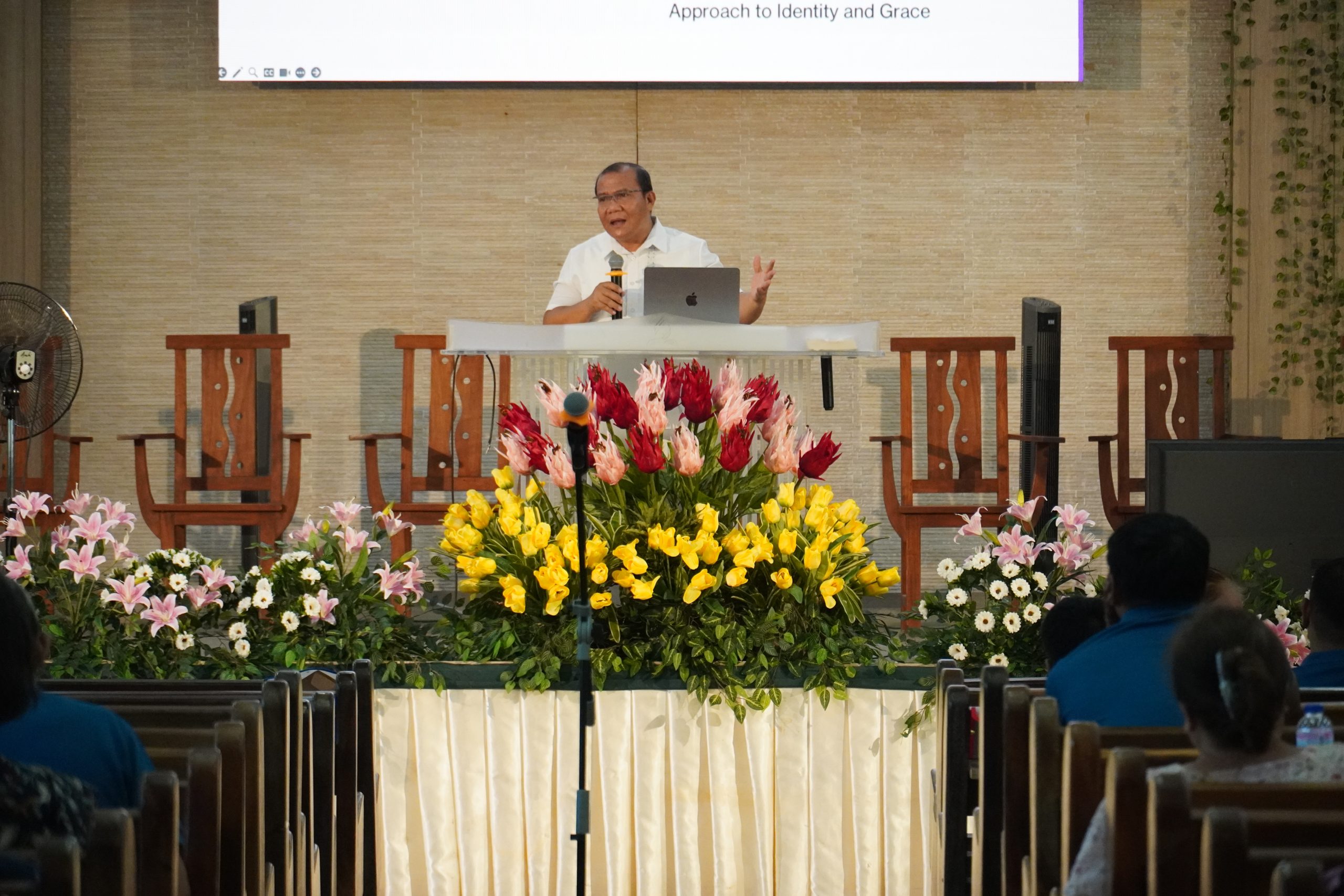
The opening session set the tone for the conference by addressing a sobering truth: families are where identity is both formed and, at times, fractured. Dr. Christopher Del Monte, a pastor, clinical psychologist, and founding director of The Hoffen Clinic—emphasized that the home is the first place where children learn who they are, how to love, and how to view God. Yet it is also within the family where deep emotional wounds can take root—through abuse, neglect, abandonment, separation, addiction, conflict, or infidelity.
Building on this, Dr. Del Monte defined trauma as “a wound that overwhelms a person’s ability to cope” noting that it isn’t always loud or visible. Often, it is the quiet pain of things left unsaid, overlooked, or persistently ignored. Because the family is also where sexual identity is first observed and shaped, trauma at home can distort gender roles, body safety, and the capacity for healthy attachment.
The conference also spotlighted the far-reaching impact of Adverse Childhood Experiences (ACEs). Dr. Del Monte explained that children who grew up in chaotic or painful environments often develop anxiety and hypervigilance, even when they are in safe spaces. Those who experience neglect may internalize the belief that they are unworthy of love and care. The more ACEs, the higher the risk for serious long-term issues—including substance abuse, depression, early sexual activity, sexual identity confusion, risky sexual behavior, chronic illness, broken relationships, and even suicide.
Understanding Same-Sex Attraction Through a Trauma Lens
In another insightful segment, Dr. Del Monte also tackled one of the most sensitive issues facing families and churches today: same-sex attraction (SSA). He explained that SSA can arise from a combination of factors including early attachment disruptions, gender identity confusion, sexual abuse or exposure and unmet emotional needs.
Children, he noted, are designed to form secure and emotional bonds with both parents. When a same-sex parent is emotionally distant, absent, or abusive, the child may experience disconnect from their own gender identity. As the child enters puberty, this unmet longing for same-gender connection can sometimes be misinterpreted or eroticized, manifesting as same-sex attraction.
Dr. Del Monte clarified that sexual behaviors or identity struggles are not always rooted in rebellion or deliberate choice, but often a coping mechanism—response to unprocessed trauma, a deep longing for affirmation, safety, and belonging. “It cannot be “cured” by shame, forced masculinity, isolation, or simplistic theological answers. Nor is it resolved by prayer alone—true healing involves deeper relational work.”
He also addressed cultural factors unique to Filipino and Asian families including the “tiis na lang” (just endure) mindset, the taboo around discussing sexual topics, and the generational avoidance of difficult conversations. These cultural dynamics, while rooted in tradition, often prevent emotional healing and leave wounds unacknowledged.
Responding with Compassion, Not Condemnation
In response to these challenges, Dr. Del Monte presented a clear and actionable path for how the Church can engage more effectively. He noted with concern that as more young people today grapple with questions of identity and sexuality, many churches still struggle to respond—often defaulting to fear, silence, or condemnation. He reminded attendees that Jesus ministered to the whole person combining grace and truth, presence and guidance.
To minister effectively, Dr. Del Monte emphasized the need to create emotionally safe environments – no sarcasm, no dismissive comments and quick fixes. He encouraged church leaders to build relational trust. “Walk with them, don’t fix them.” He suggested collaborating with counselors, intentional discipleship and consistent support for families. Homes and churches alike should become spaces where healing is nurtured through respectful and honest communication, family worship that invites sharing and affirmation and creative outlets like journaling.
He urged a shift from behavior policing to identity restoration. “We must stop asking, ‘What’s wrong with you?’ and begin asking, ‘What happened to you?’” By doing so, the Church can become a place where healing begins—not with judgment, but through connection, compassion, and Christ-centered care.
As a Church, he stressed, “we must respond with compassion without compromise – avoiding labels, gossip, or scare tactics, and instead welcoming honest conversations with grace.”
In closing, Dr. Del Monte left participants with a profound question: “What if we stopped asking, ‘Why are you like that?’ and started asking, ‘Where does it hurt?’”
His final words served as both a challenge and a prayer. “We are called to be healers, not judges. Truth is not loving if it lacks grace. Grace is not saving if it lacks truth. Let us be the kind of church where wounded identities find healing in Christ.”
Becoming Inclusive Churches for All Abilities
Another important topic explored during the conference was the church’s role in supporting families caring for individuals with disabilities or special needs. Dr. Irelyn Caponpon-Gabin, Assistant to the President for Adventist Possibility Ministries at the Southern Asia-Pacific Division (SSD), introduced the “3-A Strategy” – Awareness, Acceptance, and Action – as framework for churches to become more inclusive, caring communities. Awareness, she explained is the ability to see beyond the visible recognizing the possibilities instead of problems. Acceptance means loving people as they are, refusing to let differences create distance. It is creating a space where people don’t feel they have to earn inclusion; they simply belong as they are. Action, she said is love made visible. It is meeting needs, removing barriers and building relationships.
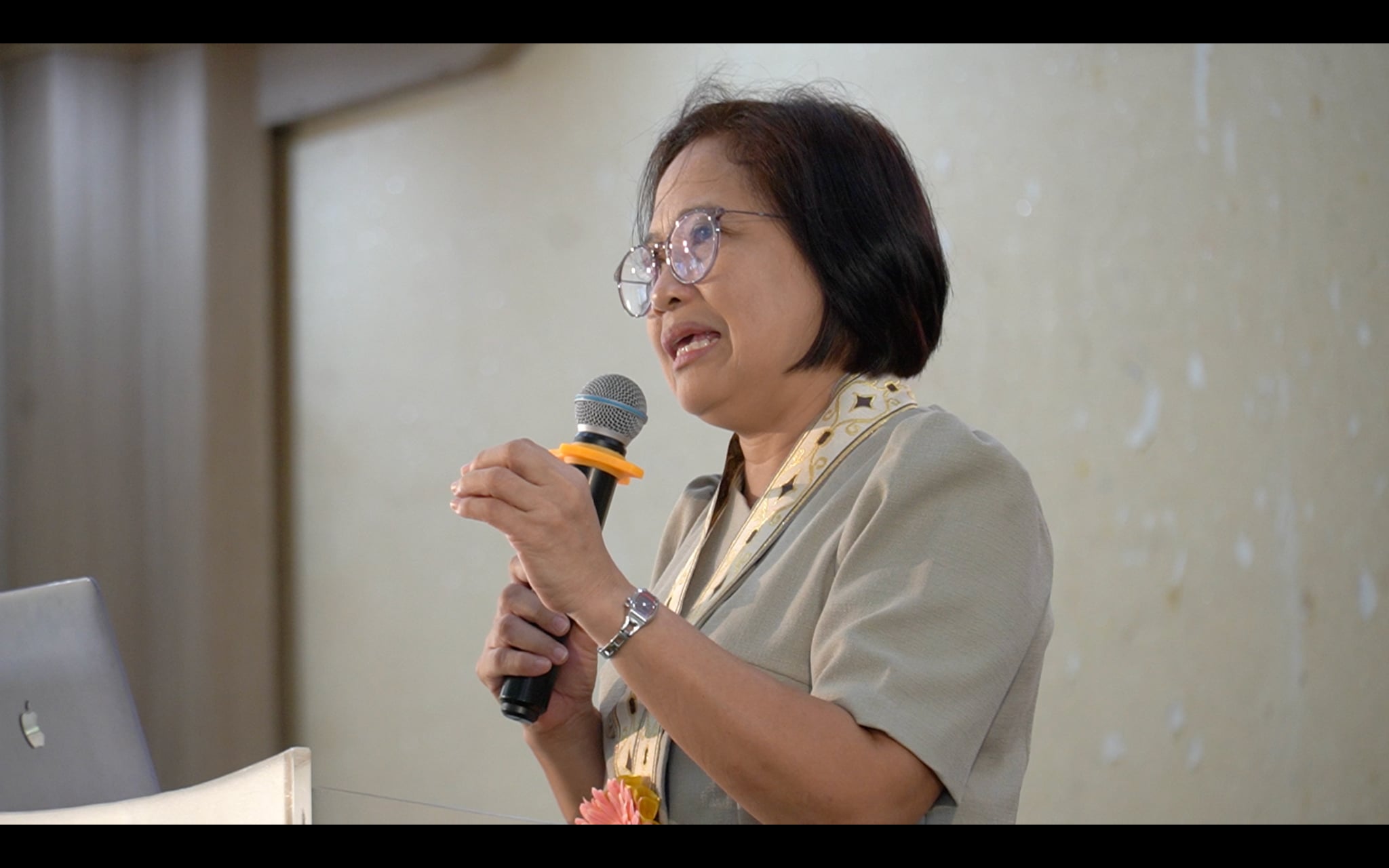
“Love is not passive,” she affirmed. “It builds ramps, adjusts schedules, learns sign language, and listens with patience.” She concluded that when churches practice the 3-As, they become safe and supportive environments where families with special needs feel seen, valued, and embraced. In such spaces, the gospel message is not only preached—it is powerfully lived out.
Toward Healing and Restoration
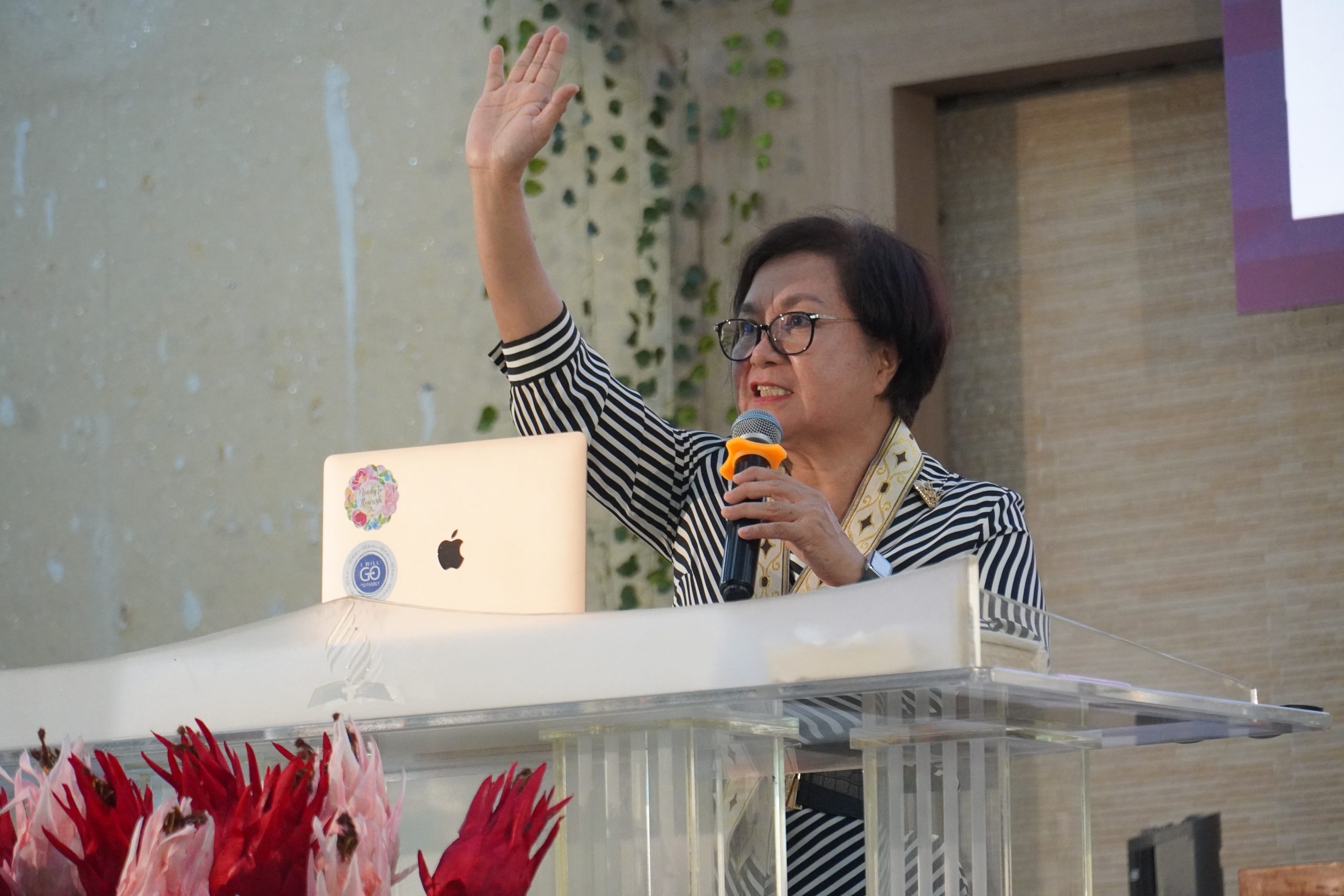
Throughout the sessions, speakers emphasized that genuine restoration possible. Mrs. Virgie Baloyo, SSD Family Ministries Director, highlighted the prophetic call to reconciliation— “to turn the hearts of the fathers to their children, and the hearts of the children to their fathers”—through repentance and forgiveness.
Pastor Gerardo Cajobe, SLPUM President affirmed that trauma and sexual distortion are the fruits of a broken human nature, passed down from generation to generation. Yet from that brokenness came the promise of a Redeemer. “Jesus entered our world not to point fingers,” he said, “but to heal every heart and restore every home.”
Echoing that hope, Pastor Danilo Fiecas, SLPUM Executive Secretary encouraged families to trust in God’s healing for the wounds of the past, and to allow His love to restore relationships—creating safe spaces for open communication and forgiveness.
One of the attendees expressed appreciation that such relevant and often sensitive topics were finally being addressed in the church. “We really need to be educated on this issue. It’s encouraging to see the church shifting toward understanding, learning to respond not with judgment,” she said. It’s about time we minister to these people in a felt, tangible, and compassionate way, not avoiding them or labeling them as problematic.”
The Bi-Union Adventist Family Conference served as a timely reminder that healing and transformation within families must be rooted in biblical truth, Christlike compassion, and a trauma-informed approach. As participants return to their local churches and ministries, they carry with them not only valuable insights but also a renewed sense of mission to nurture families in Christ.
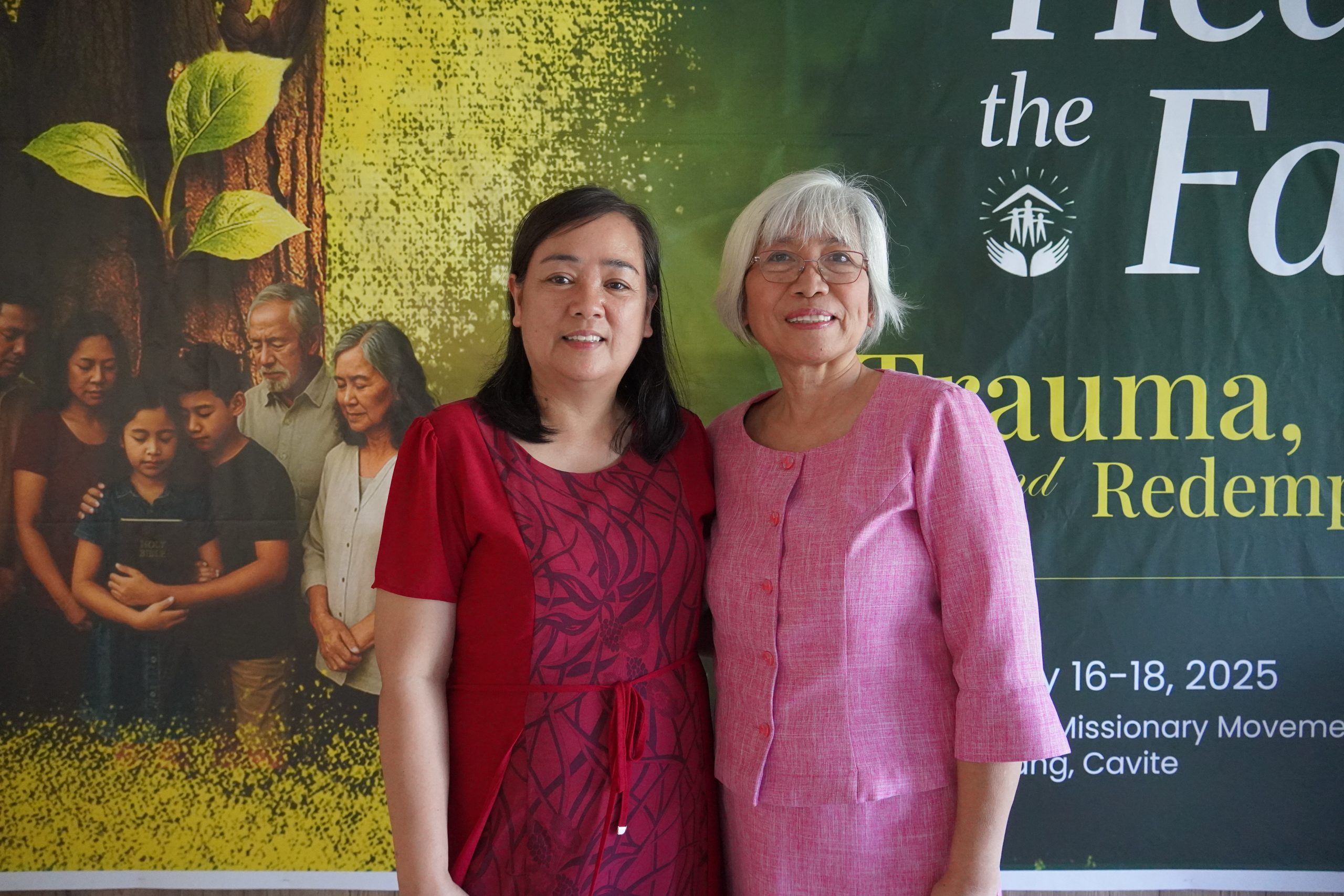
This gathering was made possible through the collaborative efforts of Delba De Chavez and Ardie Diaz, Family Ministries Directors of SLPUM and NLPUM respectively. Their shared commitment to strengthen and bring healing to families across Luzon reflects the Church’s ongoing dedication to restoring homes through the saving grace of Christ.

Mission Reach 2026 Mobilizes Members Across Southern Luzon, Yields 915 Baptisms Churches, care...
“The Front Door Is Digital,” Communicators Told As digital platforms increasingly...
Treasurer’s Report Indicates Strong Financial Turnaround During the Midyear Meetings, Josue F....