

Church Leaders in Southern Luzon Leave Handprints to Express Commitment to God’s Mission
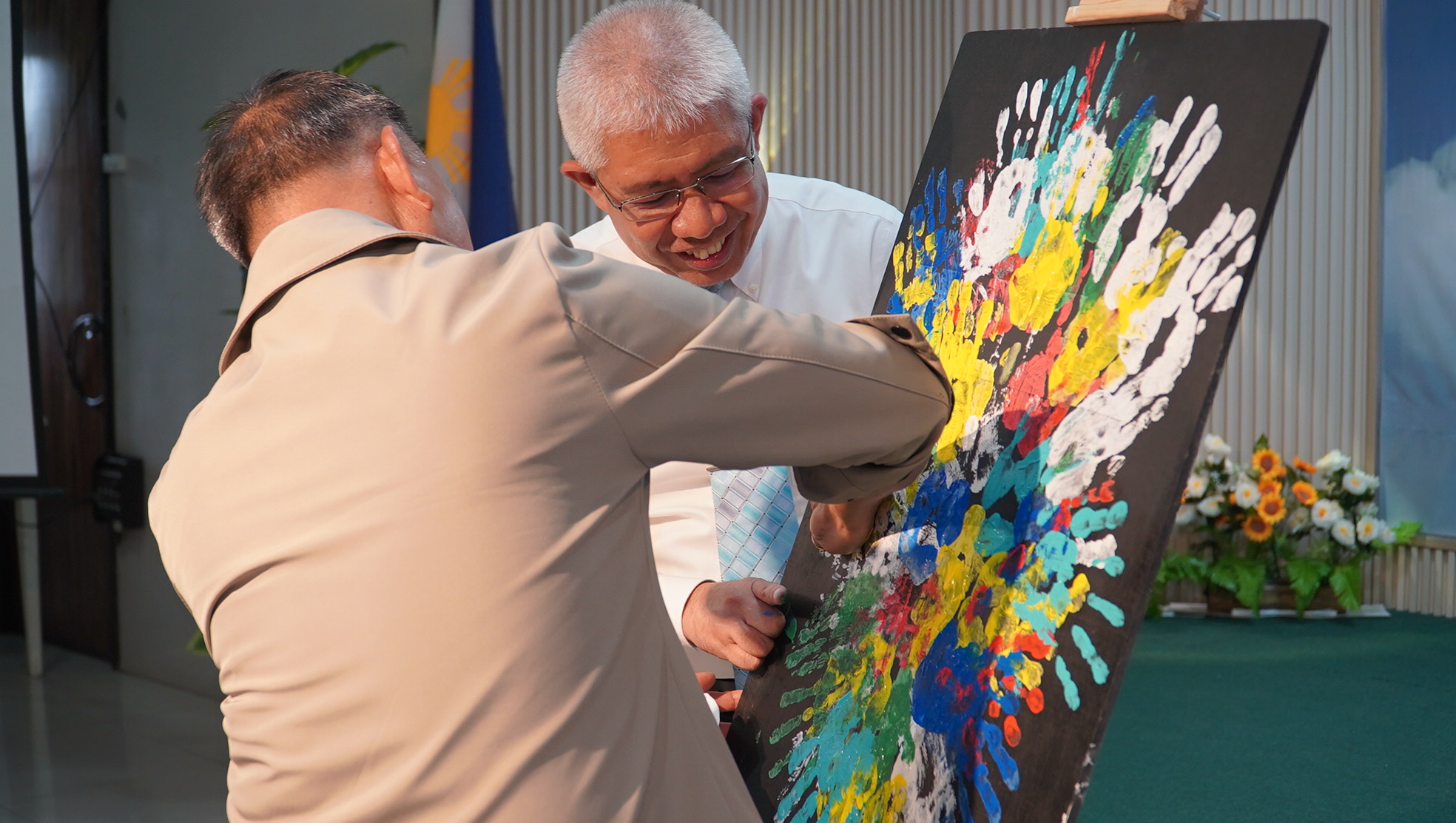
At first, it was just a black canvas.
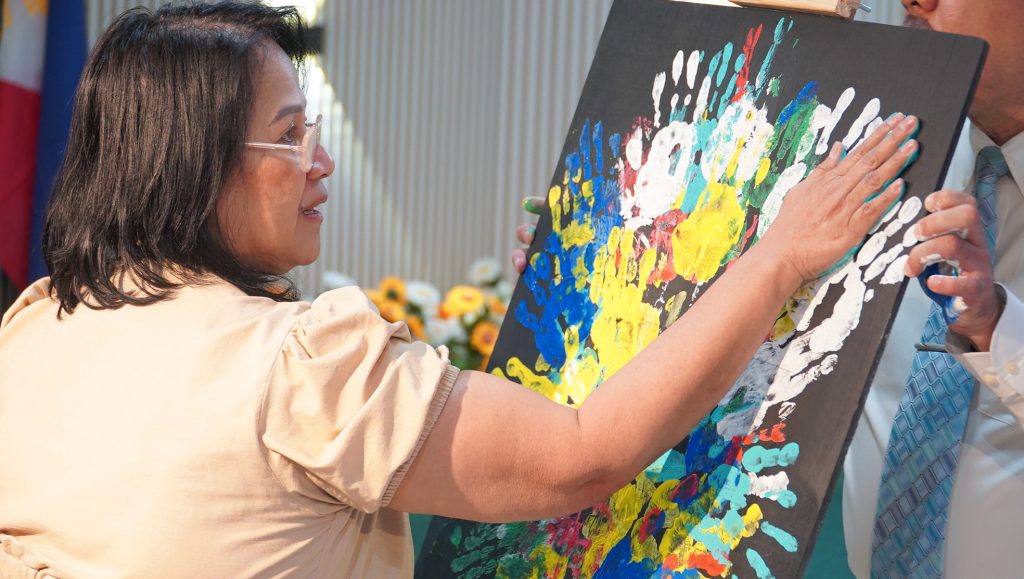
One by one, church leaders stepped forward, dipped their hands in paint, and pressed them against its dark surface. Some left blue handprints, others red, yellow, green, and other colors. Soon, the once-empty canvas was filled with the imprints of many hands.
Each handprint was different. Each belonged to someone with a different responsibility, a different gift, and a different way of serving God.
But something was still hidden beneath all those colors.
On November 18, as the Southern Luzon Philippine Union Mission (SLPUM) concluded its 2026 Annual Council Meetings, delegates participated in this simple yet meaningful act of commitment to God’s mission.
The activity was not just about leaving their handprints on a canvas. It was an invitation to reflect on what it means to be “Called for Mission,” the theme of this year’s meetings. By placing their hands on the canvas, delegates symbolically offered their hands, their feet, and their lives to Jesus, expressing their willingness to go where He leads, serve where they are needed, and touch the lives of people around them.
Responding to the Call
God calls people in different ways. Some are called to preach, others to teach, lead, care, or serve quietly in their local churches and communities. Not everyone has the same gifts or responsibilities, but everyone has a part in His mission.
Just like the different colors on the canvas, these gifts and callings come together for one purpose.
Yet having a calling is one thing. Responding to it is another.
“There is no calling until we are ready to accept the calling,” Pastor Jose Orbe, Jr said.
Accepting that call means more than fulfilling a church responsibility or taking part in a program. It means being willing to let God use our lives, our abilities, and our opportunities to help others know Him.
Revealing the Cross
And then came the most meaningful part of the activity.
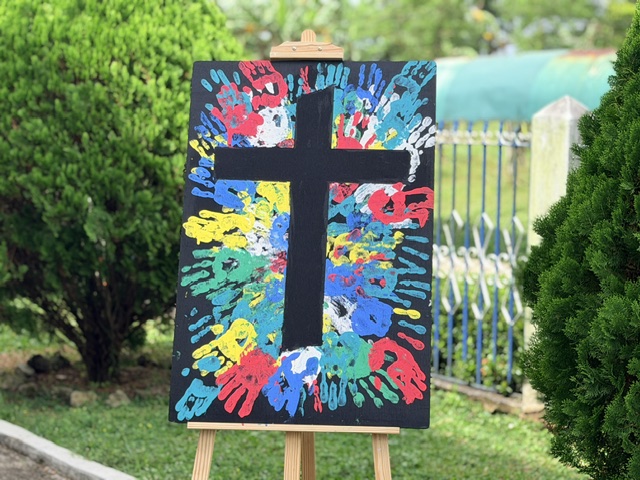
As the strips of tape were carefully peeled away from the canvas, the outline of a cross began to appear. What had been hidden beneath the colorful handprints was now clearly visible.
At the center of all those hands was the cross.
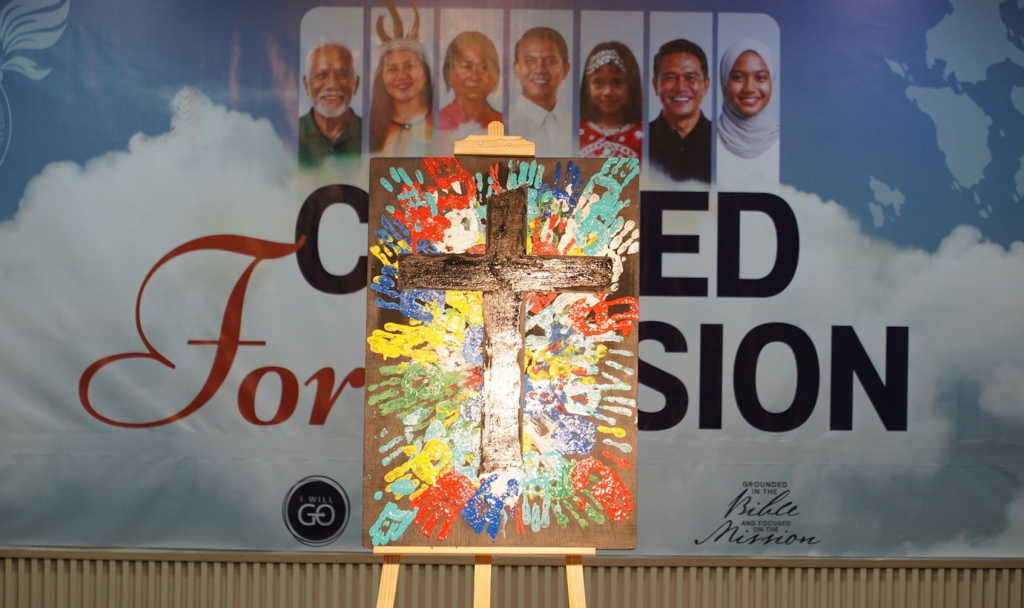
“There is no calling without the cross,” Orbe said.
The black canvas represented a world in darkness, while the colorful handprints symbolized God’s people, each with different gifts and callings, willing to go out and serve.
As the cross emerged from the dark canvas, its message became clear. We live in a world where darkness is real, but when God’s people respond to His call, reach out to others, and lift up Jesus through their words and actions, Christ becomes visible to the world.
As delegates prepared to return to their respective mission fields, institutions, churches, and communities, the finished canvas served as a reminder of the commitment they were taking home. Each had left a handprint, a personal expression of their willingness to serve. But what stood out on the canvas was not the individual handprints. It was the cross, reminding them that their calling is not to make themselves known, but to help the world see Jesus.

Melo Anadem Ong
Related posts

HALF THE BILL, TWICE THE BLESSINGS
HALF THE BILL, TWICE THE BLESSINGS Brother Calixto “Alex” Fadriquela, a member of the Seventh-day...