

Leaders Address Property People and Policy to Strengthen Mission
What does “order” look like in God’s church today—and why does it matter for mission?
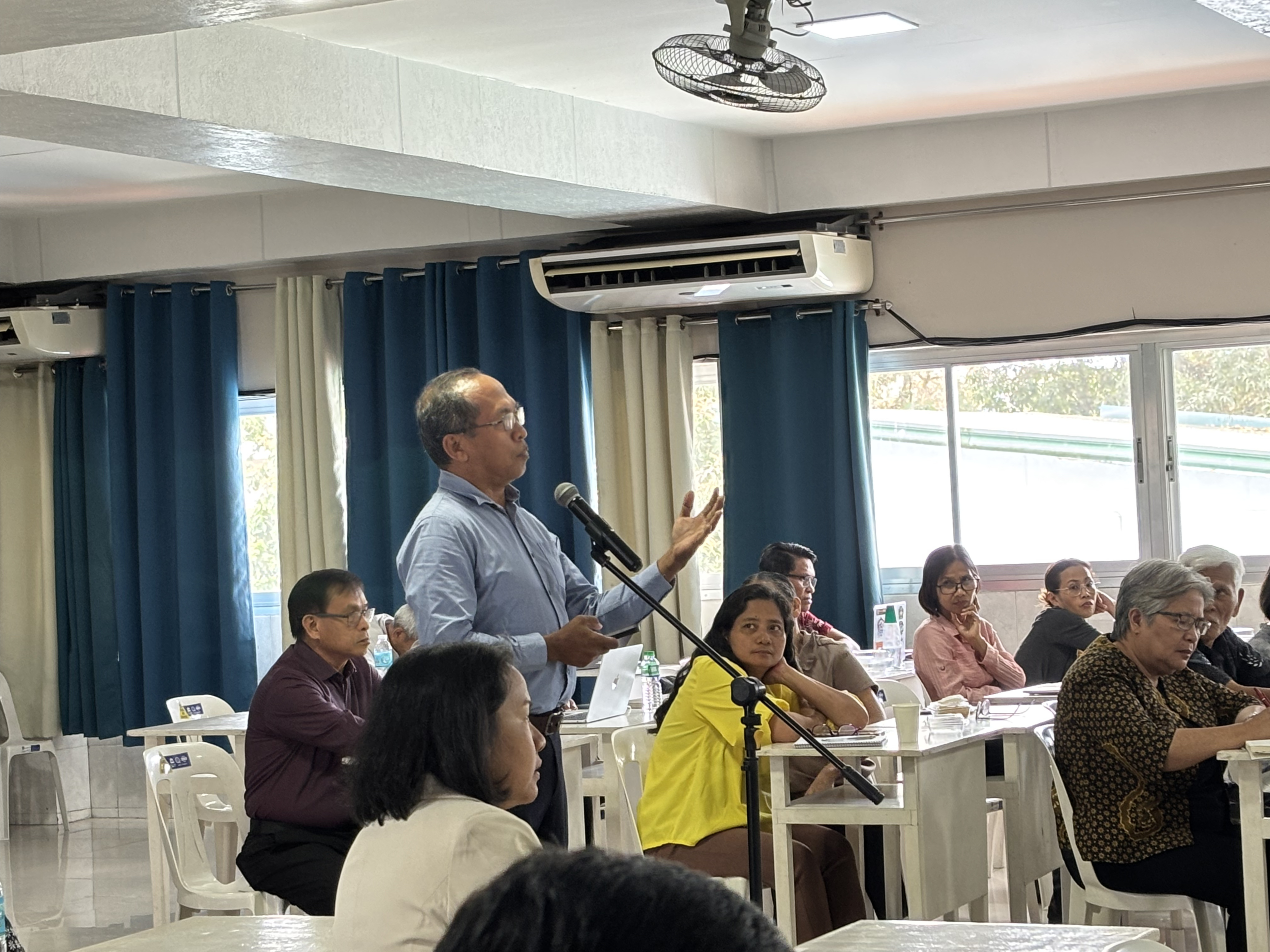
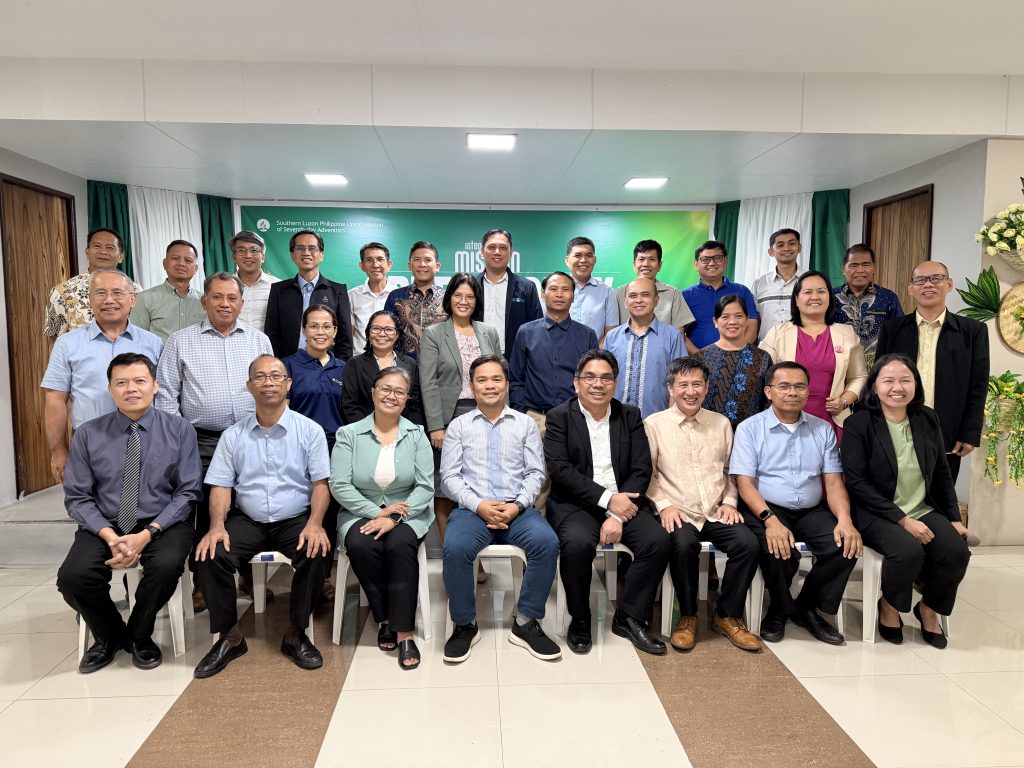
Behind every organized worship service, every membership record, and every ministry initiative are systems quietly at work. Recently, leaders from across the Southern Luzon Philippine Union Mission gathered to strengthen exactly that through the training, “Order, Policy, Identity: A Legal Education, Church Manual, Working Policy and Adventist Identity Review.”
Around 120 leaders participated, with approximately 60 attending on site and another 60 joining via Zoom. The event brought together officers from mission fields, healthcare and educational institutions, and academy principals—reflecting a united effort to ensure that the church’s systems remain strong, clear, and mission-driven.
Strengthening Systems for Mission Continuity
The training emphasized that strong systems are essential—not just for compliance, but for sustaining the mission.
Pastor Kerry Estrebilla, Associate Secretary of the Southern Asia-Pacific Division, underscored that human resource work in the church is not limited to policies, but plays a key role in shaping culture, fostering unity, and supporting the mission. “Let workers find meaning in their work,” he said. “Without meaning, it becomes routine—study, work, retire, then dead.”
Participants were challenged to move beyond simply following procedures and instead build environments where values are lived out—where collaboration is practiced, and leadership is seen as service.
Risk management was also presented as an essential part of caring for the church. Shekinah Sibala, director of Adventist Risk Management (SSD), emphasized that safeguarding people and properties helps ensure that the gospel work continues even in times of crisis.
Insurance coverages for employees and institutions were clarified, including claims processes for accidents, death, and natural disasters such as typhoons, flooding, and earthquakes—real risks that many local churches and schools face.
“Trusting God doesn’t mean nothing bad will happen – it provides the strength to endure hardship,” Sibala noted. She added that “insurance serves as a practical safety net for properties and assets, enabling the church to remain focused on its mission.”
Atty. Evin Villaruben, SSD Associate Treasurer, further strengthened this foundation by reviewing employee benefits and retirement policies under the SSD Working Policy. Discussions covered retirement eligibility, dependent support, healthcare assistance, and access to benefits—ensuring that workers are cared for not only during active service, but even beyond it.
Addressing Real Issues: Property, Labor, and Compliance
The sessions also tackled real challenges faced by local churches and institutions. These are the same concerns many local churches encounter—from property issues to membership records and worker care.
Atty. Gizelle Lou Fugoso guided leaders through due diligence in property management, emphasizing the importance of verifying land titles, tracing ownership, and identifying risks such as liens, disputes, informal settlers, or overlapping claims—issues that can affect church properties if not properly addressed.
Participants were also guided on proper handling of property transactions, including securing consent from legal heirs, completing notarized documents, and ensuring that transfers are legally recorded.
In the area of labor, Fugoso outlined responsible employment practices, covering hiring, employee rights, discipline, and termination. The importance of due process and maintaining complete personnel records was emphasized as protection for both employees and the organization.
Complementing these, Atty. Regina Domini Agno, SLPUM Legal Officer highlighted the value of developing employee handbooks and codes of conduct. Clear, written policies—covering employment, compensation, workplace standards, and discipline—were presented as essential tools for promoting consistency, accountability, and clarity in church institutions.
A session on taxation and regulatory compliance, presented by Virginia Cueto, SLPUM Tax Compliance Services Manager, further guided leaders on proper registration, required filings, and the conditions for maintaining tax-exempt status. The importance of transparency, faithful stewardship, and “giving to Caesar what is Caesar’s” was strongly emphasized.
Anchored in Identity and Mission
While much of the training focused on systems and compliance, the message consistently pointed back to identity and mission.
A presentation on Adventist identity reminded leaders that the church is not merely an organization, but a prophetic movement entrusted with a distinct message. Pastor Felixian Felicitas, SSD Field Secretary called leaders to remain Christ-centered, Bible-based, and mission-driven in every aspect of leadership.
Adventist education was highlighted as a ministry grounded in a biblical worldview—creation, the fall, redemption, and restoration—aimed at forming Christlike character and preparing individuals for service and eternity.
Church governance was also strengthened through sessions on the roles and responsibilities of church officers. Leaders reviewed the functions of elders, deacons, clerks, and treasurers, as well as the proper conduct of the nominating process—ensuring that leadership selection remains orderly, transparent, and spiritually grounded.
Membership processes were likewise clarified, emphasizing accurate records, proper transfers, and adherence to established guidelines. Leaders were reminded that no name may be added or removed without a formal vote of the church, ensuring accountability and order.
At the same time, the sessions highlighted the need for intentional pastoral care—maintaining connection with members, especially those who may no longer be regularly attending.
More than a review of policies, the training served as a call to align every system with the mission. Attendees found the topics timely and relevant, with many expressing a desire for more time for questions, recognizing that there are still areas that need further clarification. Several also shared that the sessions would be even more beneficial if conducted in a more physical, face-to-face setting.
Follow-up lectures along these lines are expected in the next two years—to ensure leaders are constantly reminded and intentional in putting these principles into practice.
For church members, this means a church that is more organized, more responsive, and more intentional in caring for people. Because in the end, order is not just about policies—it is about people, and the mission God has entrusted to His church to fulfill.

Melo Anadem Ong
Related posts
Mission Reach 2026 Mobilizes Members Across Southern Luzon, Yields 915 Baptisms
Mission Reach 2026 Mobilizes Members Across Southern Luzon, Yields 915 Baptisms Churches, care...
“The Front Door Is Digital,” Communicators Told
“The Front Door Is Digital,” Communicators Told As digital platforms increasingly...
Treasurer’s Report Indicates Strong Financial Turnaround
Treasurer’s Report Indicates Strong Financial Turnaround During the Midyear Meetings, Josue F....